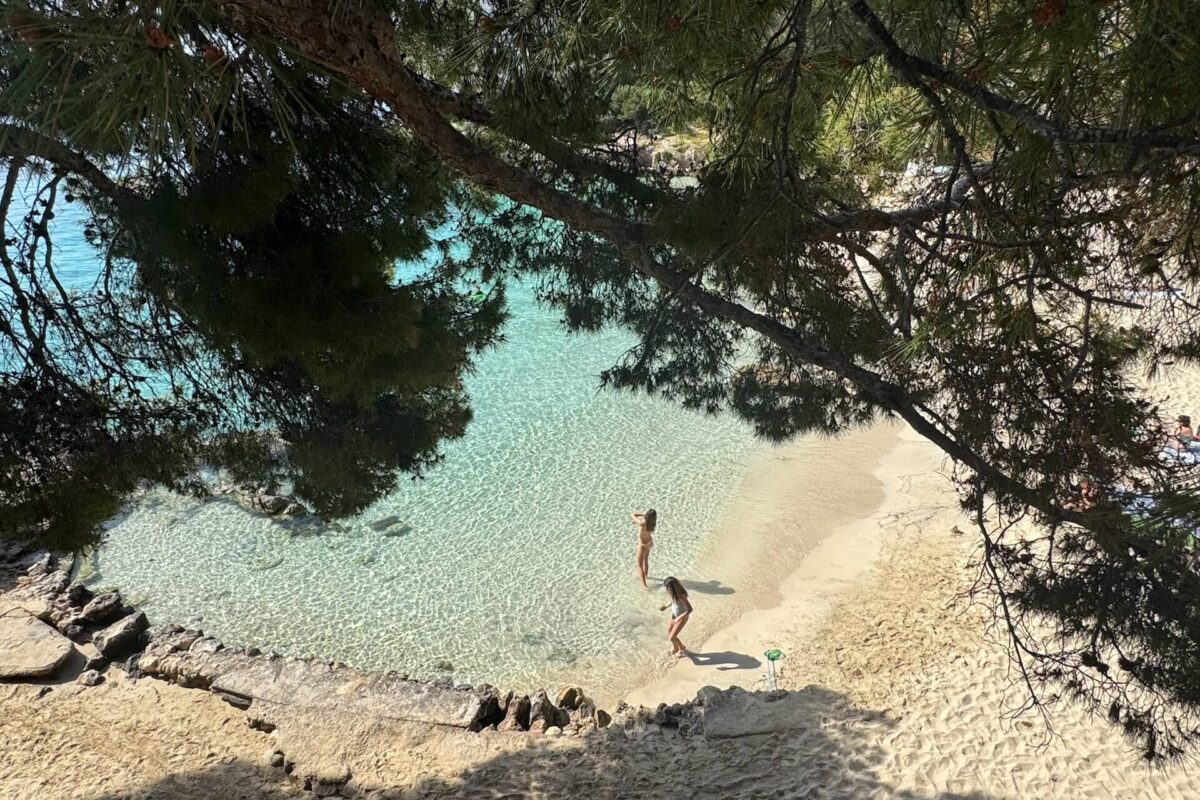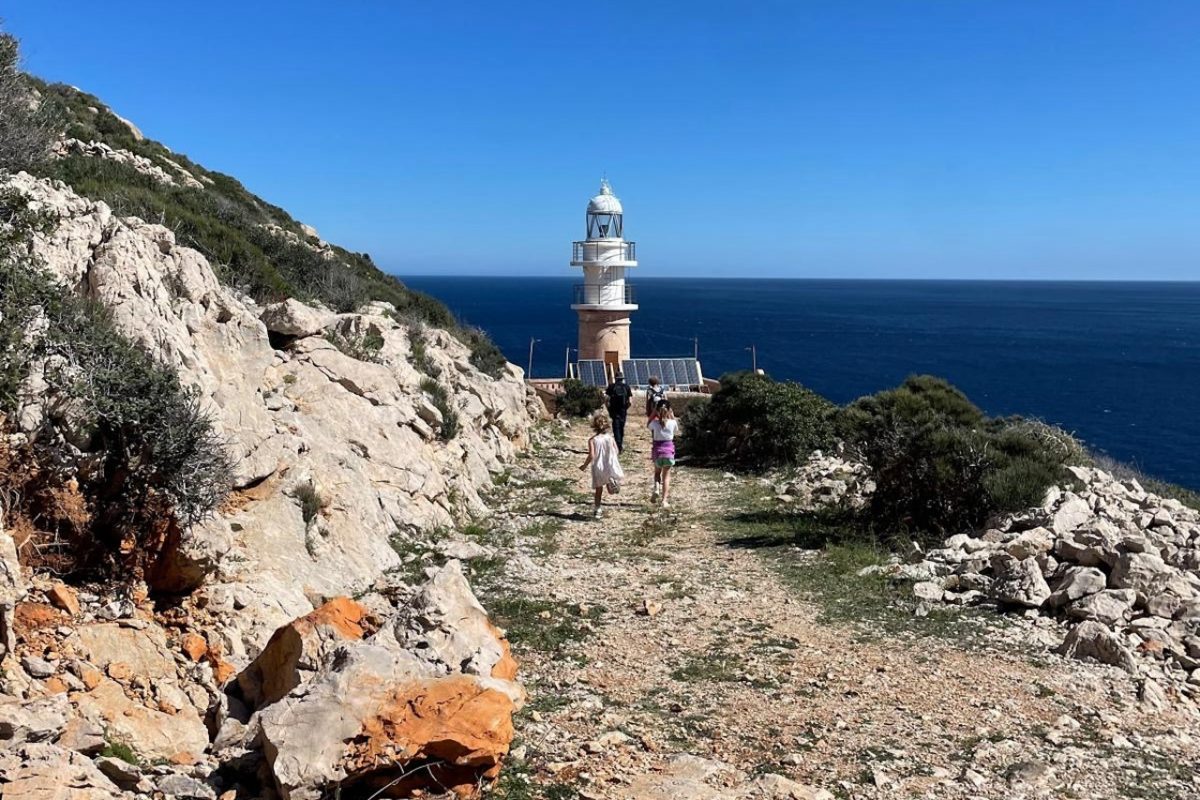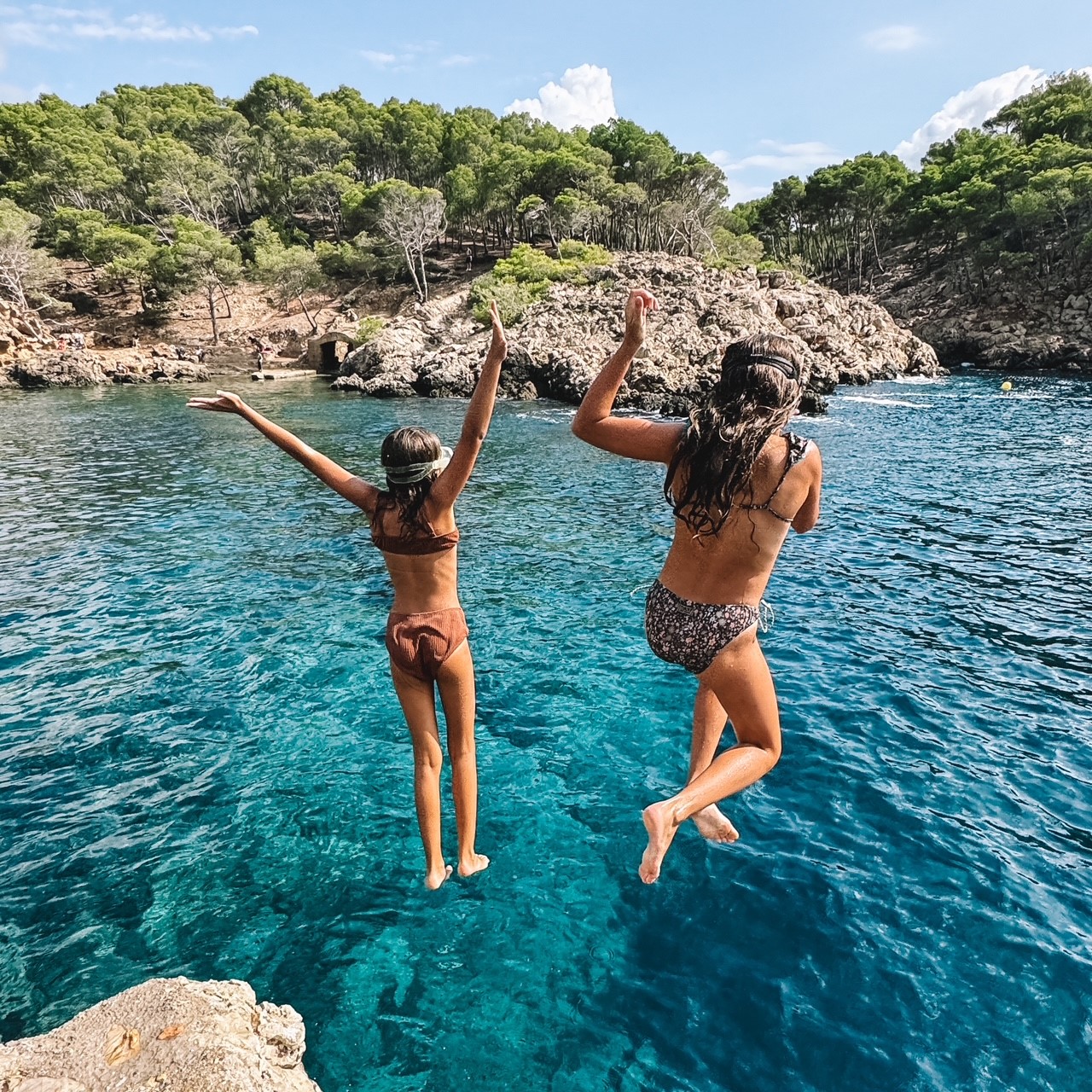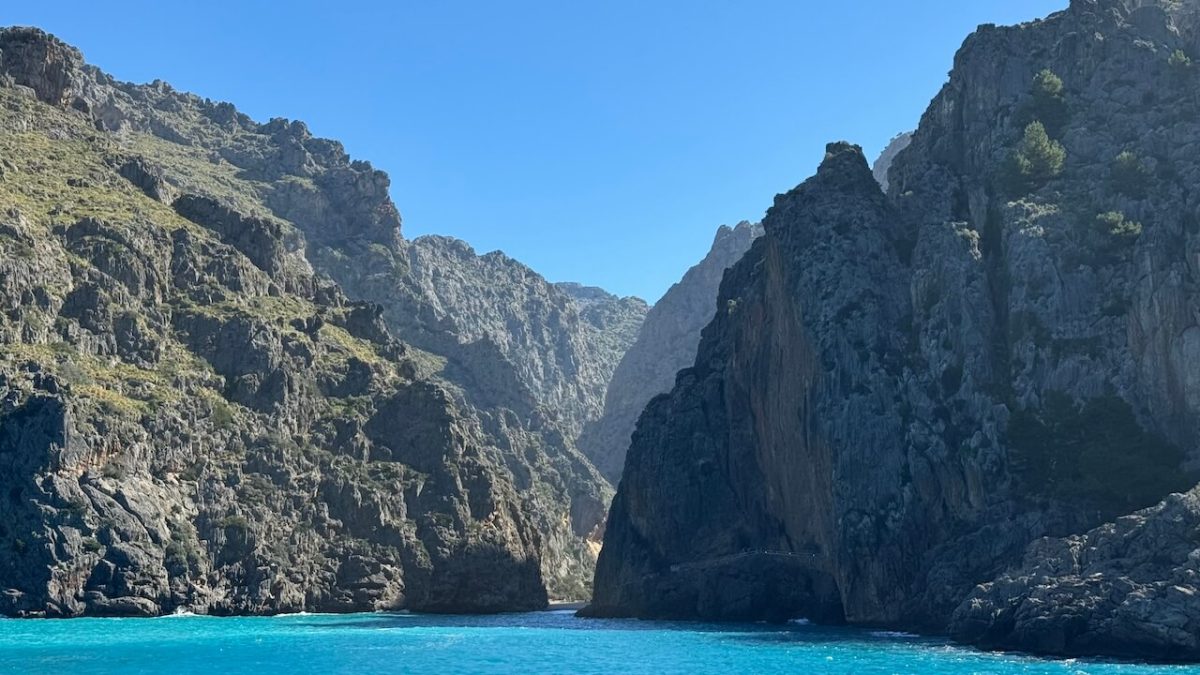
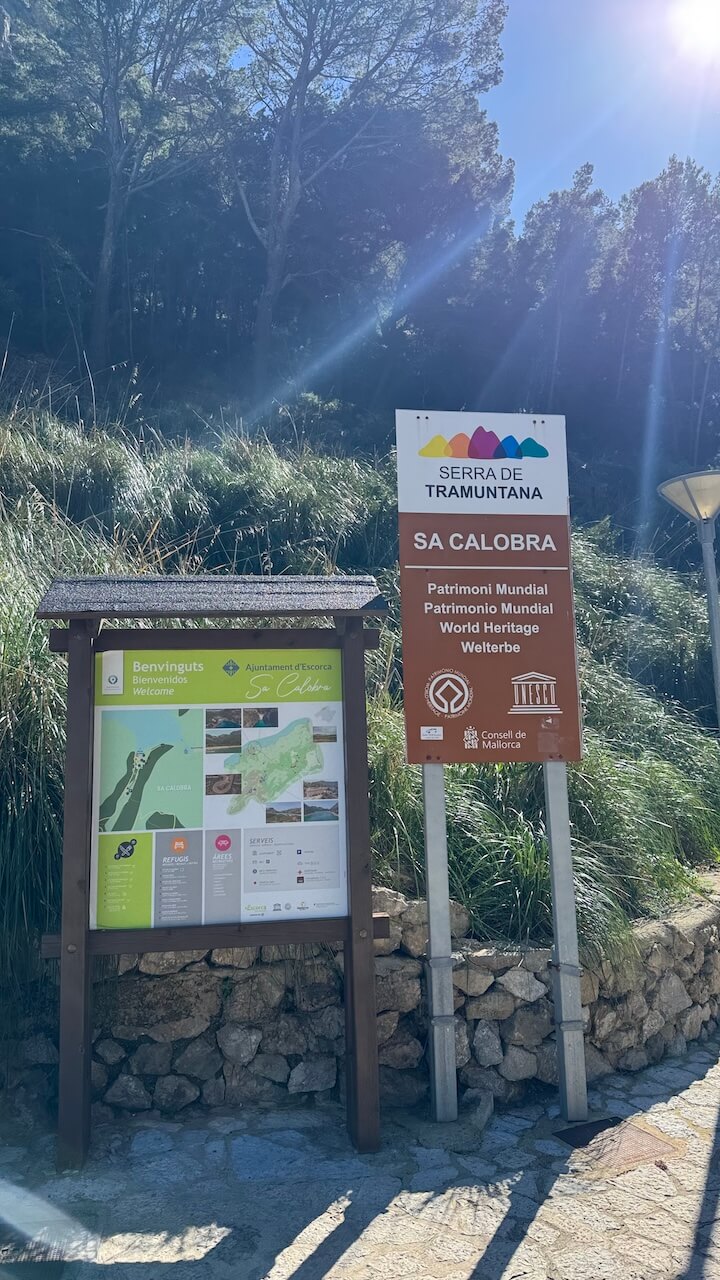
Sa Calobra is a tiny natural cove at the foot of the UNESCO World Heritage Site Serra de Tramuntana mountains, where one of Mallorca’s most dramatic gorges, the Torrent de Pareis, meets the sea. The name comes from the Mallorquín word for snake, a well-earned nod to the twisting gorge and mountain road that wind down to reach it.
- The Boat Journey
- What to Expect at Sa Calobra
- How to Spend Your Time with Kids
- Boat vs Driving the Sa Calobra Road: Which Is Better for Families?
- Practical Information
- What We'd Tell a Friend
- Worth It with Young Children?
- When to Go
- Getting There: Port de Sóller
- Combining It with a Stay in Port de Sóller
Hikers covet the challenging five-hour approach on foot. Cyclists come for the famous winding descent by road. For families exploring in warmer months, the boat wins.
The Boat Journey
There are a number of small group and private charter boats operating from the port, and if you are after a full day at sea with plenty of swimming stops they are worth looking into. For families with the gorge and Sa Calobra specifically in mind, the passenger ferry is the simplest option.
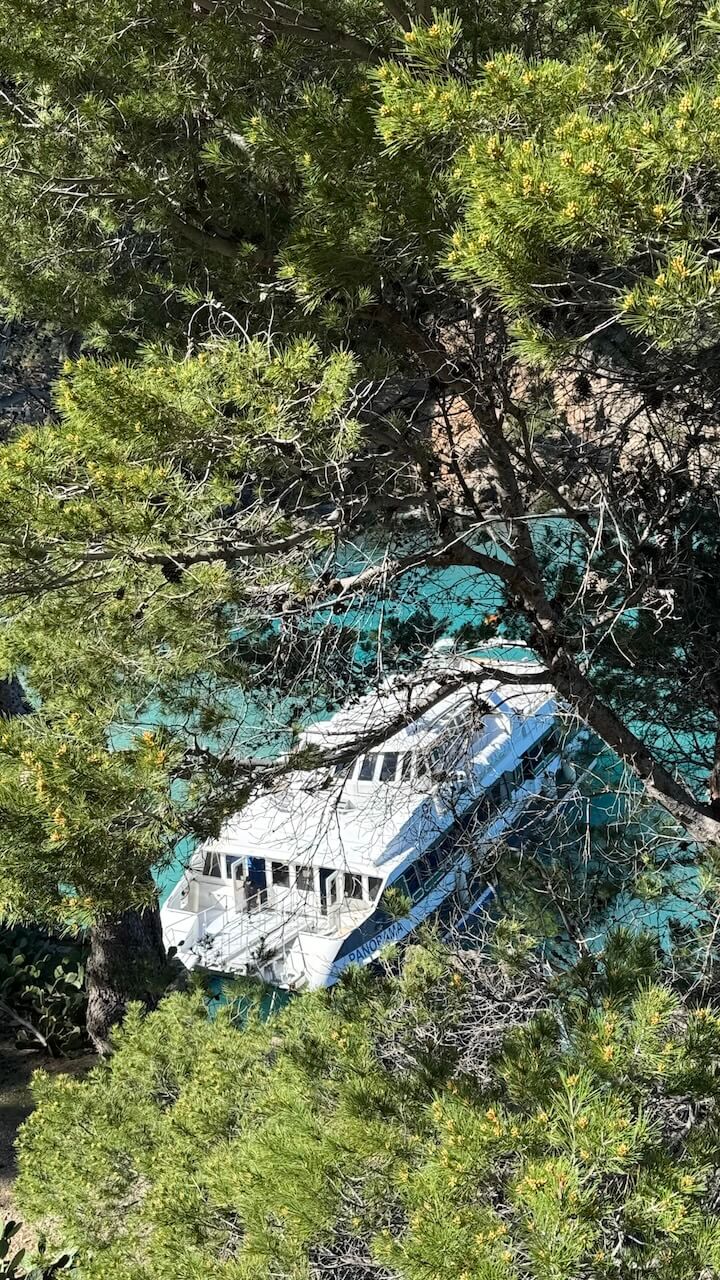
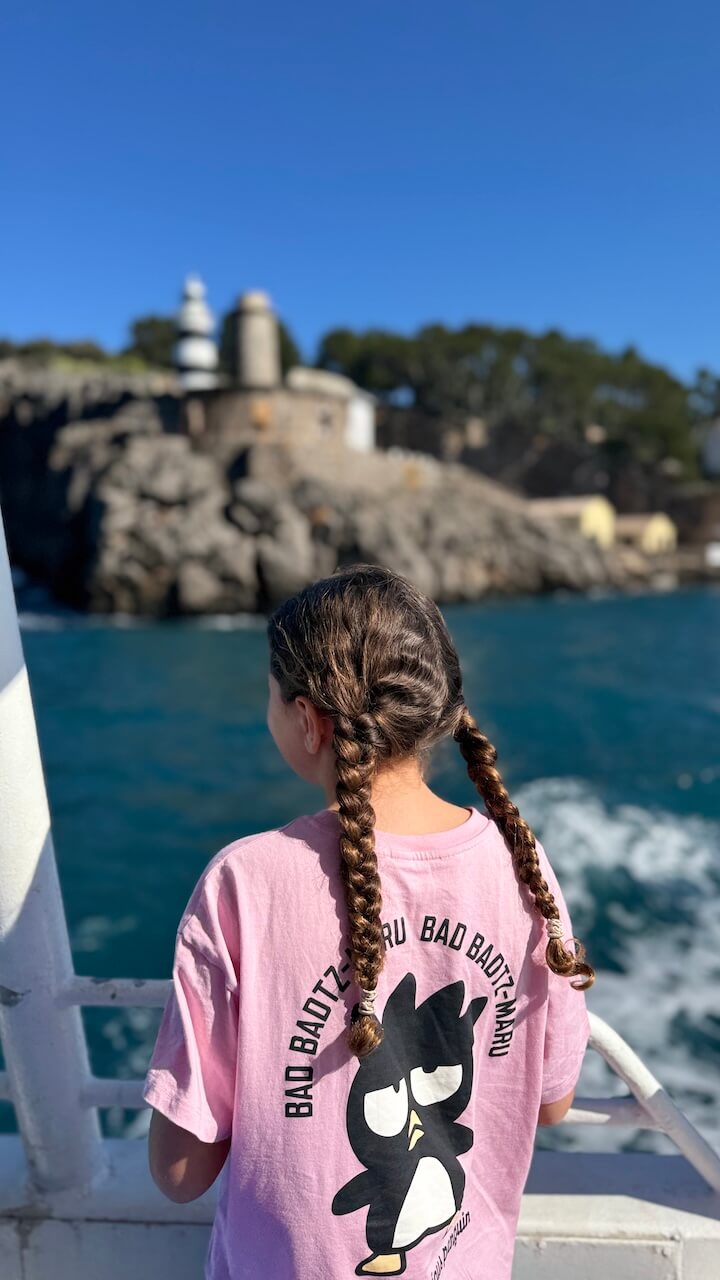
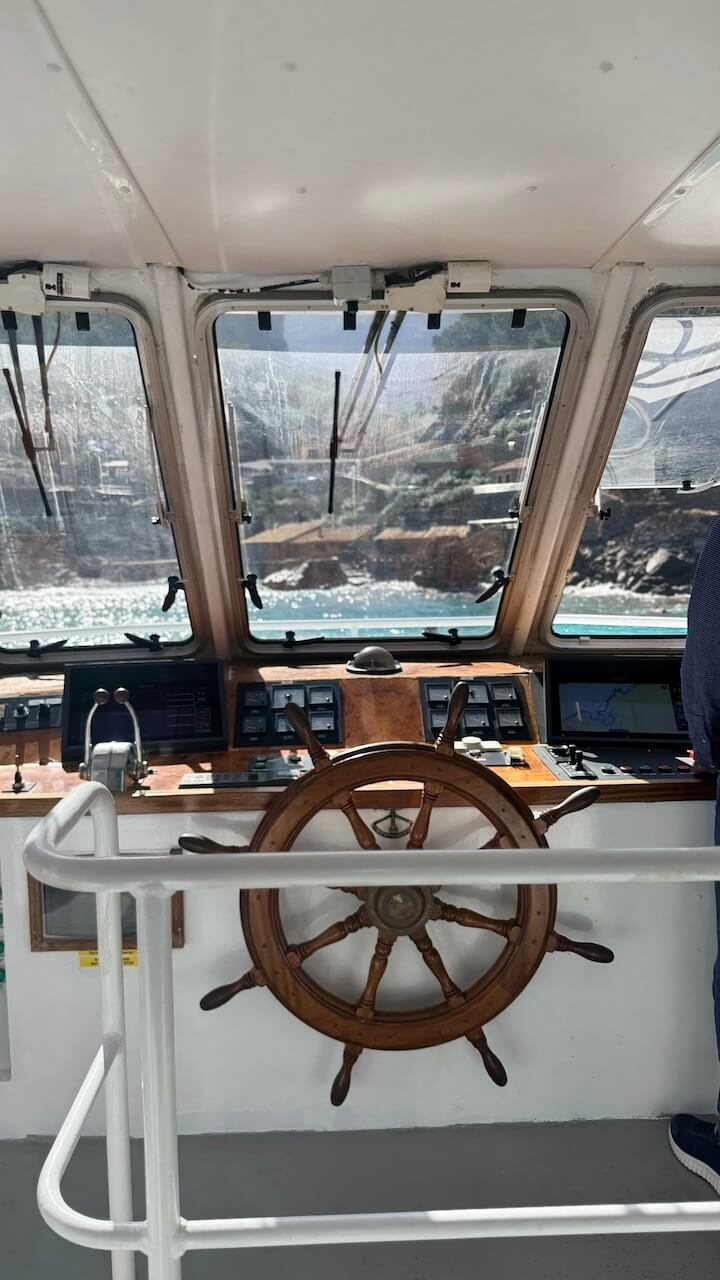
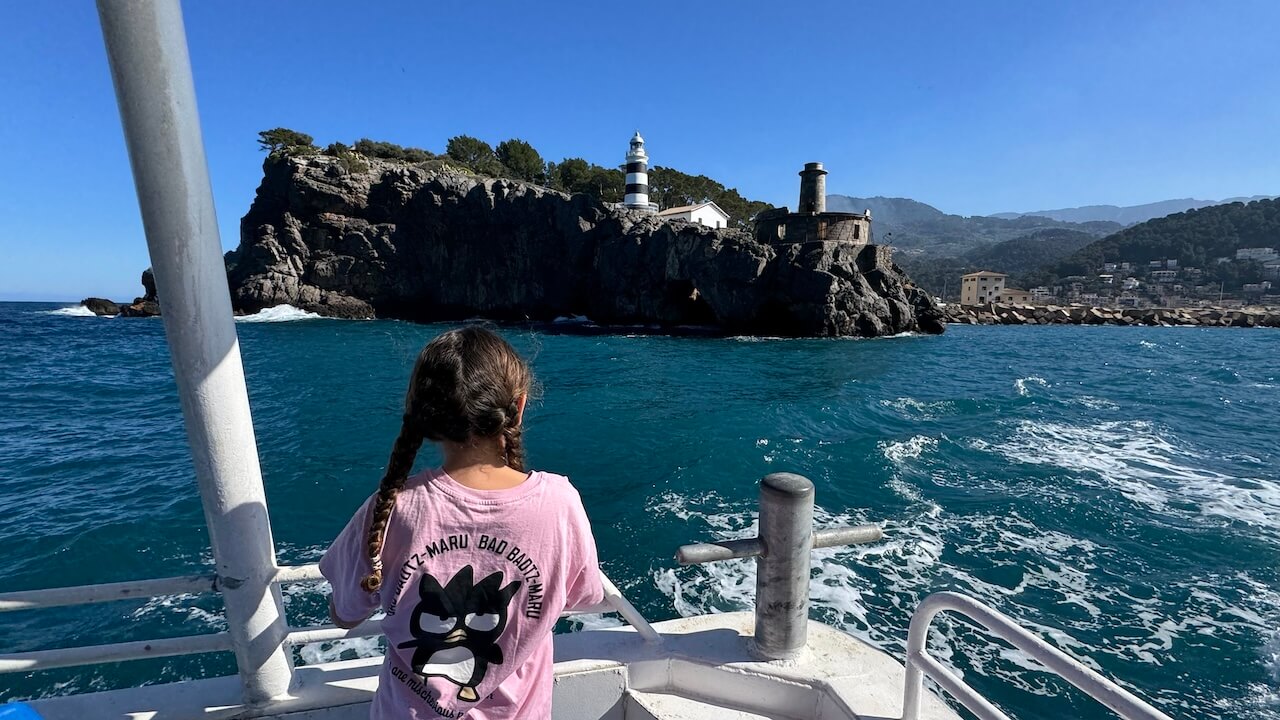
Barcos Azules operates the main passenger ferry between Port de Sóller and Sa Calobra, with regular sailings throughout the season. The ferry follows the Tramuntana coastline on one of its most dramatic stretches: cliffs dropping straight into the sea, sea caves, narrow gorges, and in early spring, you might even spot a waterfall.
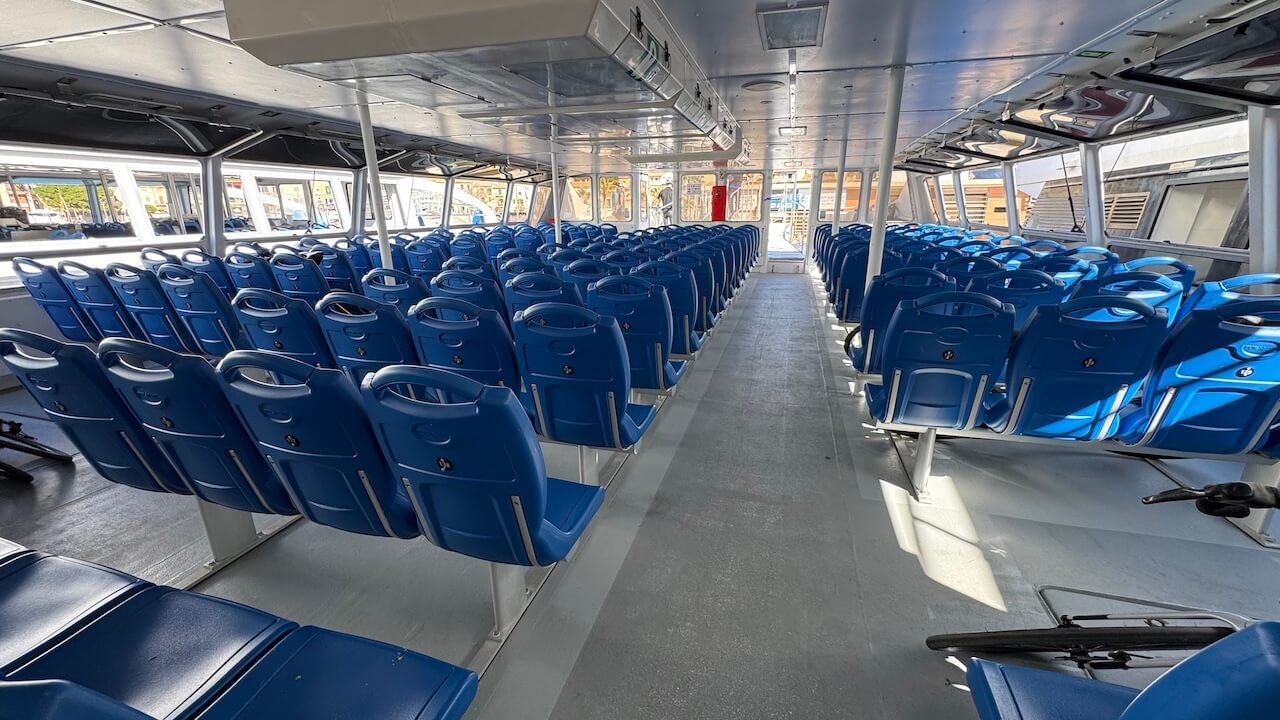
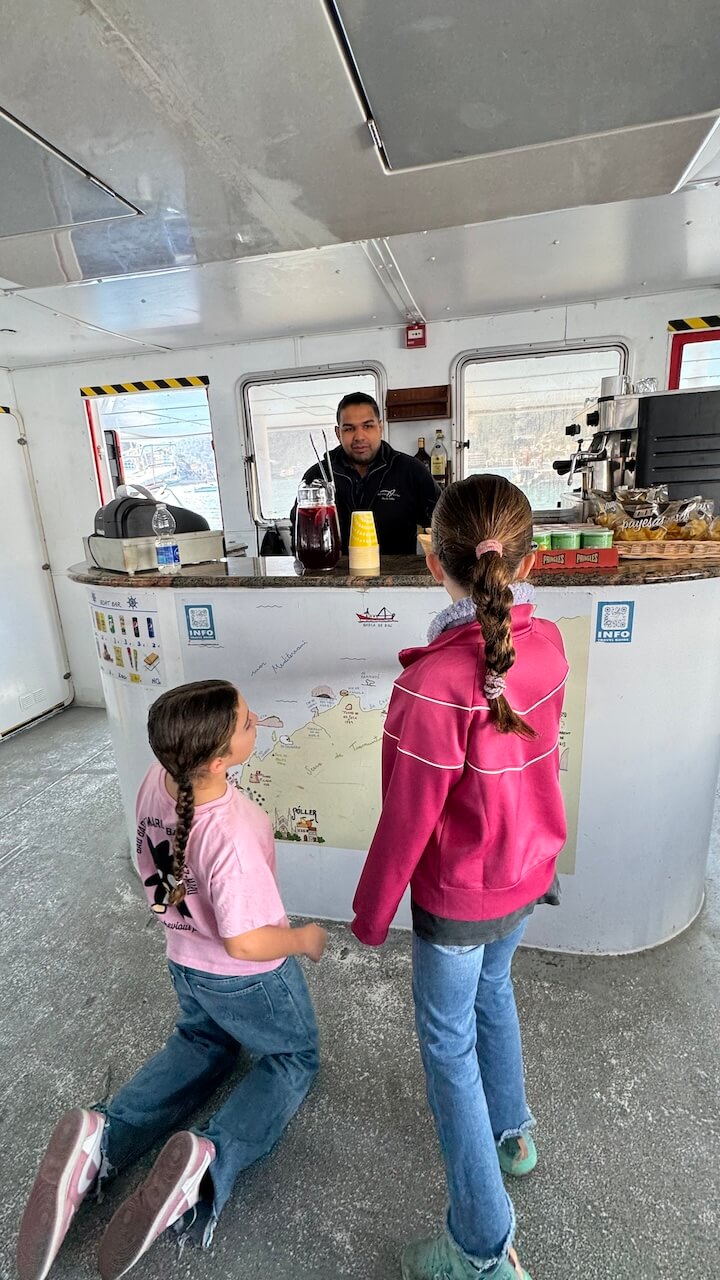
The boat is big, carrying upwards of 250 passengers across two decks. The lower deck is shaded with toilets and a small bar serving water, drinks and snacks. The upper deck is part-shaded, part-open and the better option for views, but it can be windy and you’ll want a sun hat that stays on. Seats aren’t allocated, so arrive 15 minutes before departure and board early to pick your spot. Sit on the starboard (right-hand) side leaving Port de Sóller for the best views of the mountains. The top deck does fill up fast and expect to share the lower deck with plenty of cyclists and their bikes.
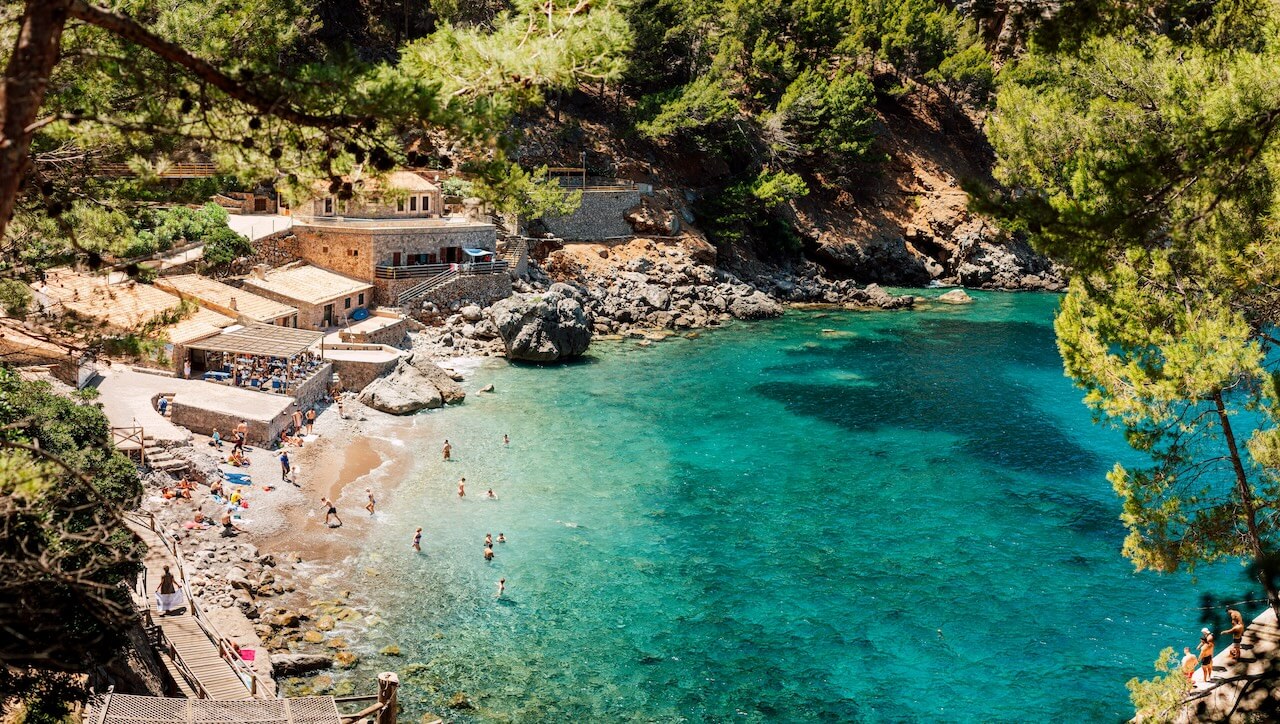
After around 40 minutes you pass Cala Tuent, one of the quietest and most beautiful beaches on the island. It’s worth a separate day out, with good snorkelling and a restaurant with views above the beach. Pack sun protection and a warm layer for the journey. Early in the season it can get genuinely chilly at sea, and the lower deck is there if you need it.
The full journey to Sa Calobra takes around one hour. Most sailings are calm, though the sea can pick up. off season or in strong wind. Come prepared if anyone is prone to seasickness.
What to Expect at Sa Calobra
Sa Calobra is a small port and it fills up fast, particularly between 12h and 15h in high season. The first sailing of the day or a later afternoon arrival are your best options if crowds bother you.
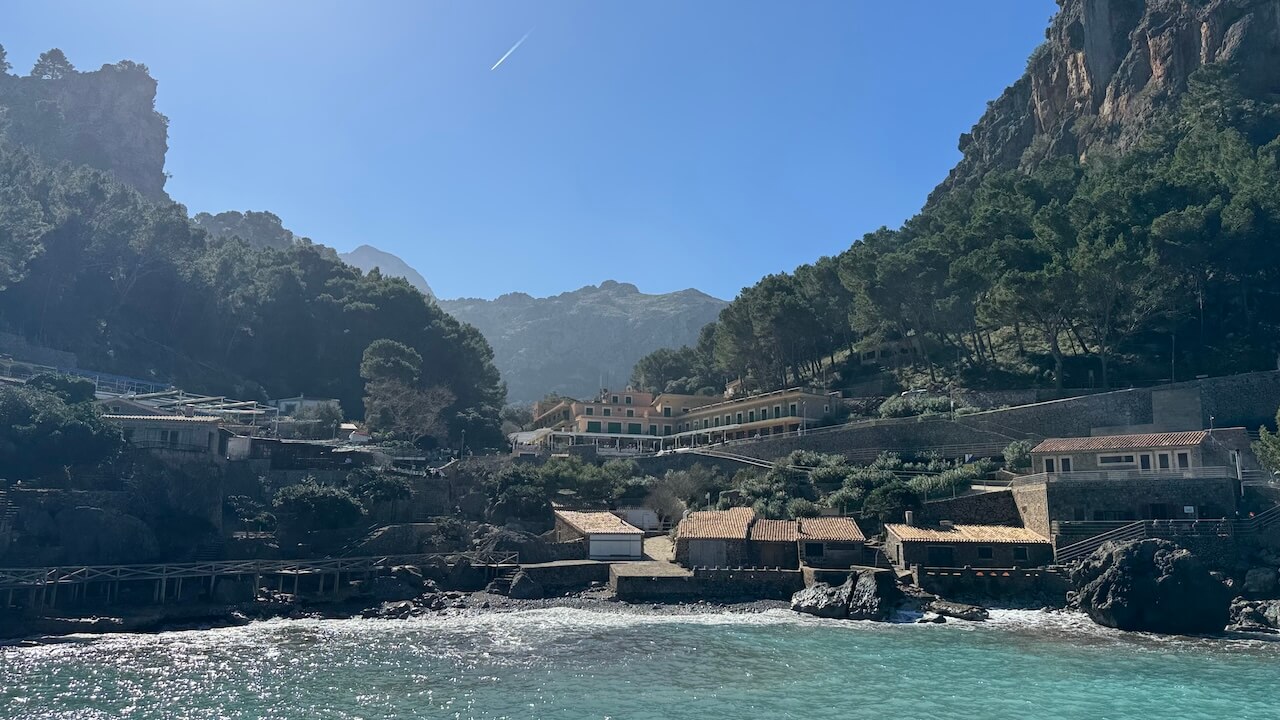
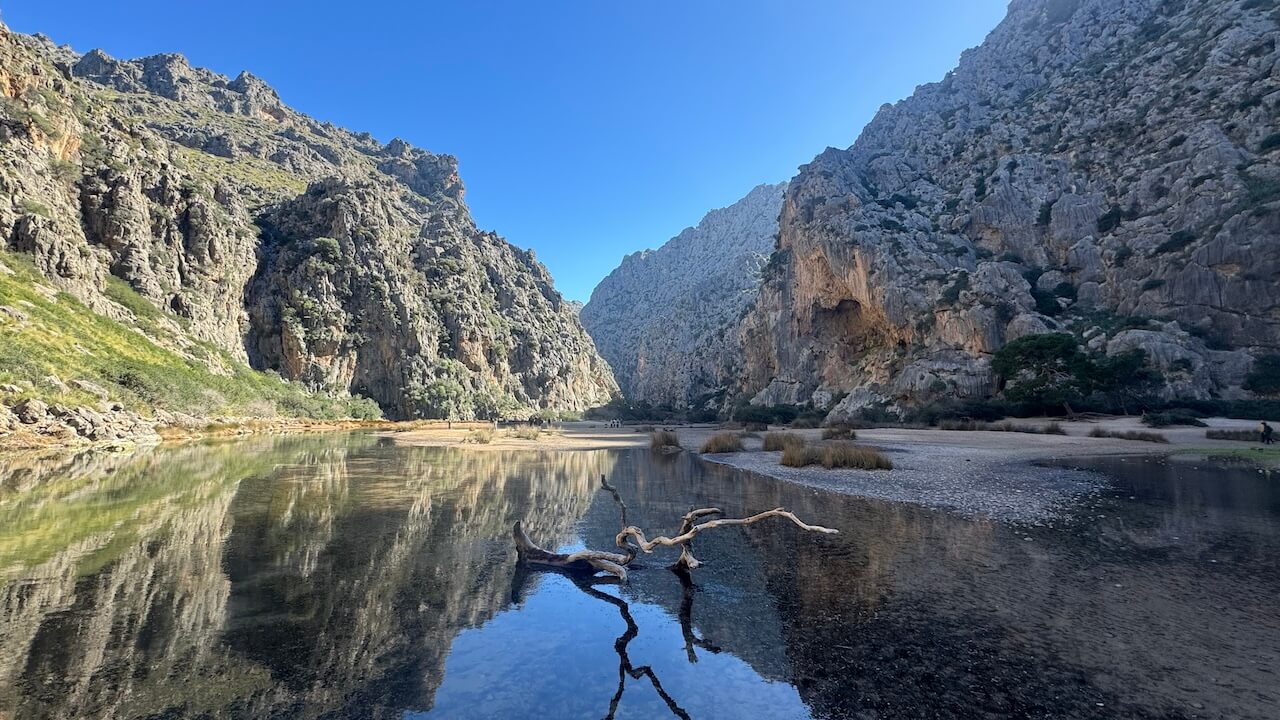
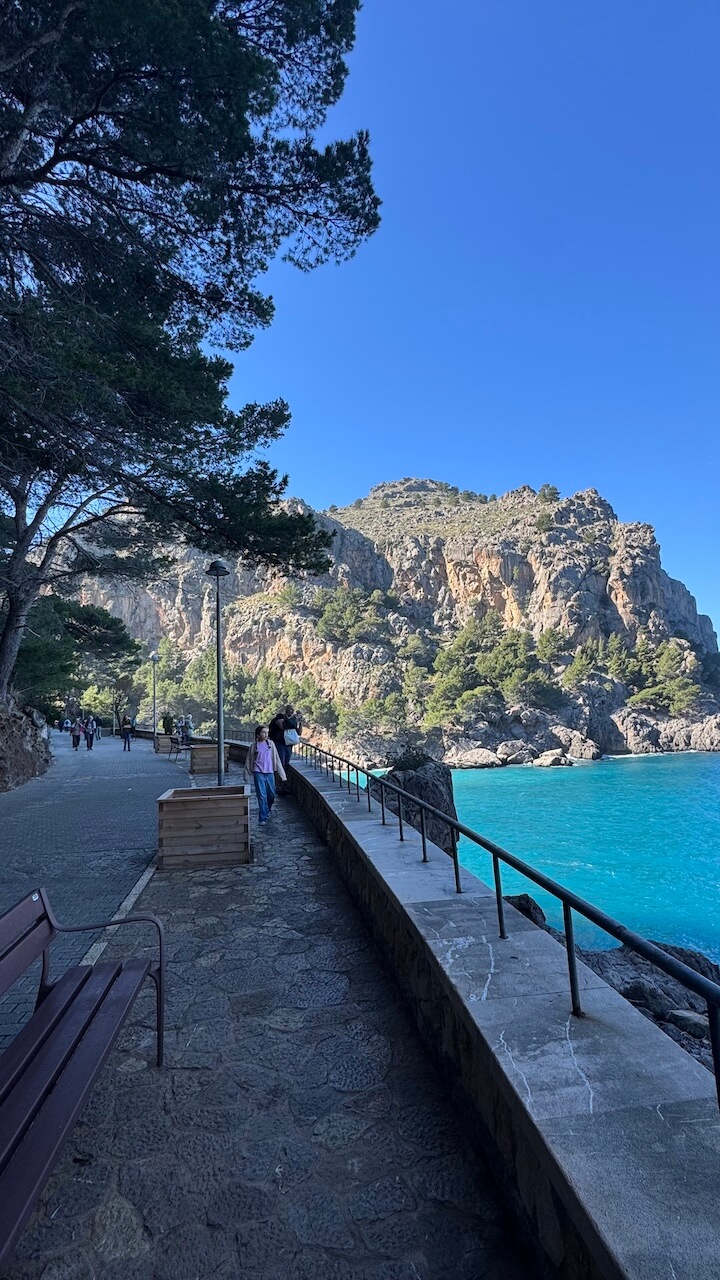
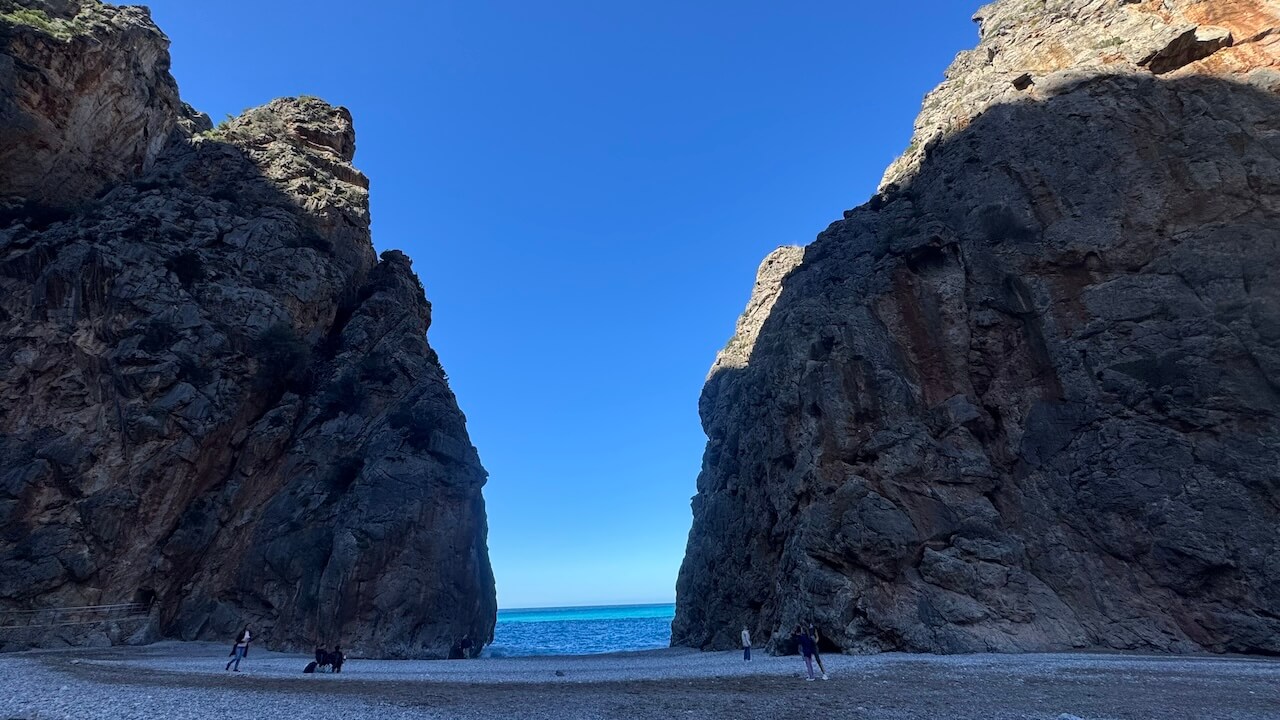
Arriving at the port you’ll pass several seasonal restaurants and a couple of gift shops. You’ll also spot a small port beach just below. Don’t stop here. Follow the signed path along the cliff edge to the main beach, about ten minutes on foot. The route passes through a dark tunnel cut through the mountain, a highlight for the kids. On the other side, the Torrent de Pareis gorge opens up with canyon walls rising steeply on either side. Sunlight only reaches the beach around the midday hours, and in spring the shade can be properly chilly, so pack a layer.
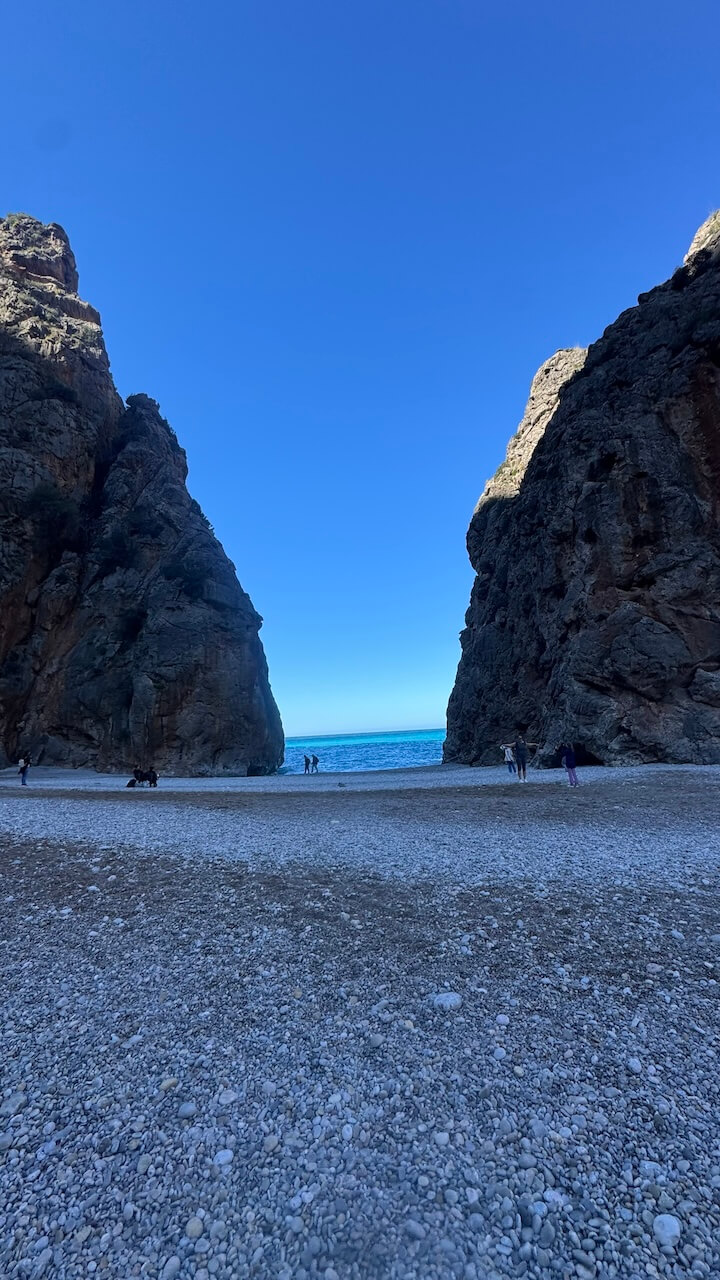
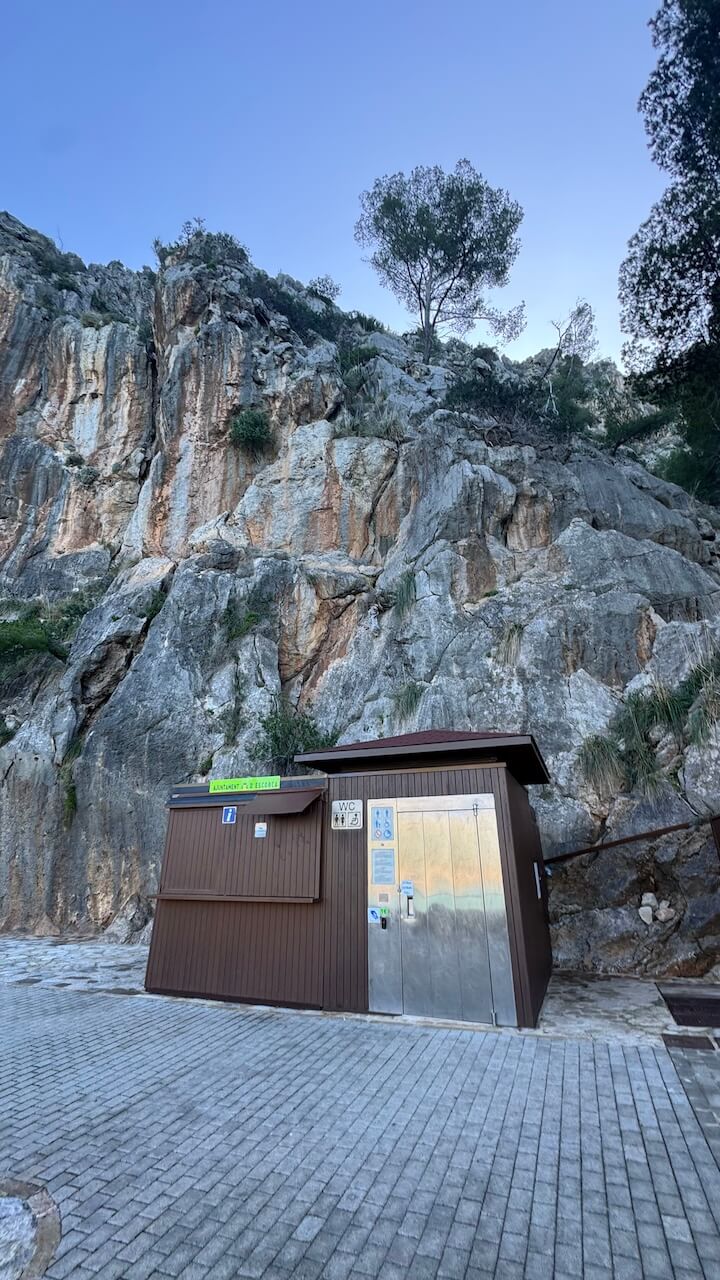
The beach is pebbles, not sand, and there are no beds, umbrellas or beach facilities. There is a paid seasonal toilet block with shower on the path around the mountain. It’s not a beach resort. People come for one specific thing: the gorge.
How to Spend Your Time with Kids
Most sailings give you one to two hours on land. Not long enough to linger, so a rough plan helps.
Walk the cliff path to the beach (around 150 metres). The path is well signed from the port with good views throughout. The highlight is the dark tunnel cut directly through the mountain.
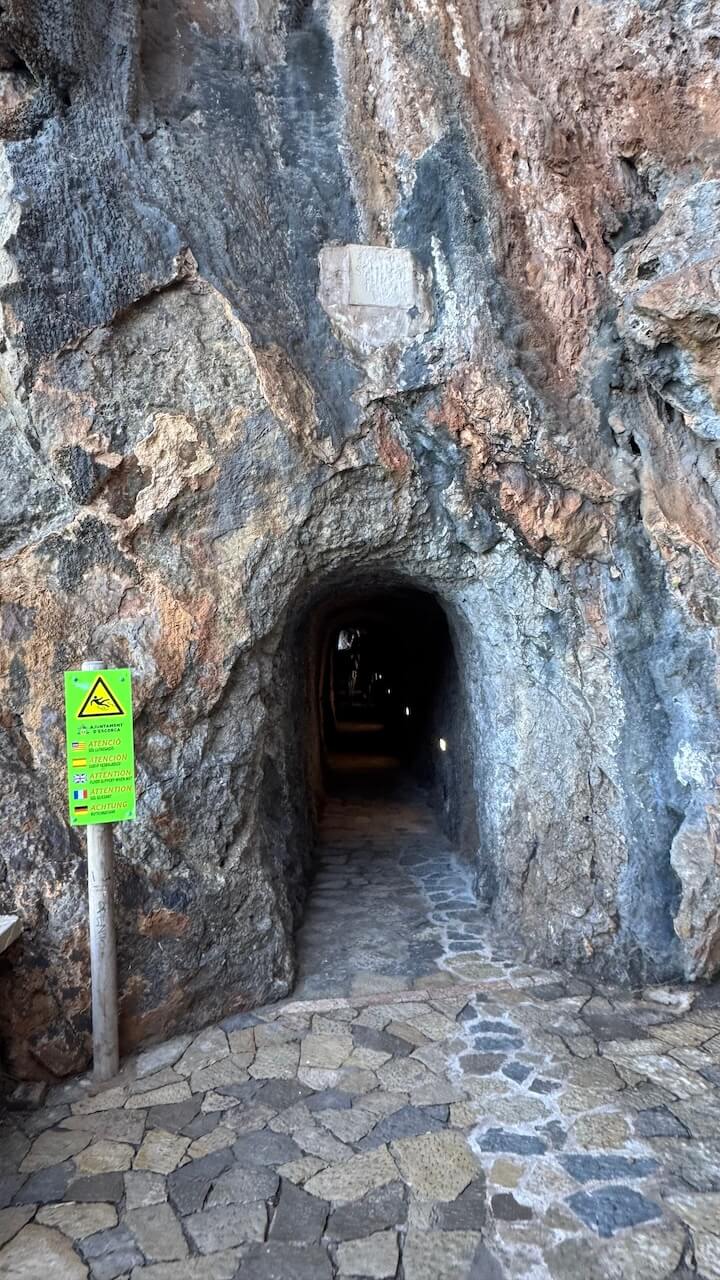
Explore the gorge and picnic. If time is short, skip the swim and head straight into the canyon for a quick explore, then find a spot on the beach for your picnic while the kids splash around. Leave extra time to walk back to the port before your departure.
If you have more time, walk further into the gorge. The Torrent de Pareis runs for several kilometres inland. You don’t need to go far for it to feel extraordinary, but the further in you go, the quieter it gets.
Swim if it suits. The water is clear and warm in summer. Best if you have enough time to dry off before the return journey. There are no showers on the beach, but there is a paid seasonal shower and toilet block on the footpath back to the port.
Eat and drink at the port if you didn’t bring a picnic. The cafés are convenient rather than remarkable. Picking up an ice cream for the return sailing is non-negotiable, though they do also sell ice lollies at the bar on board.
Boat vs Driving the Sa Calobra Road: Which Is Better for Families?
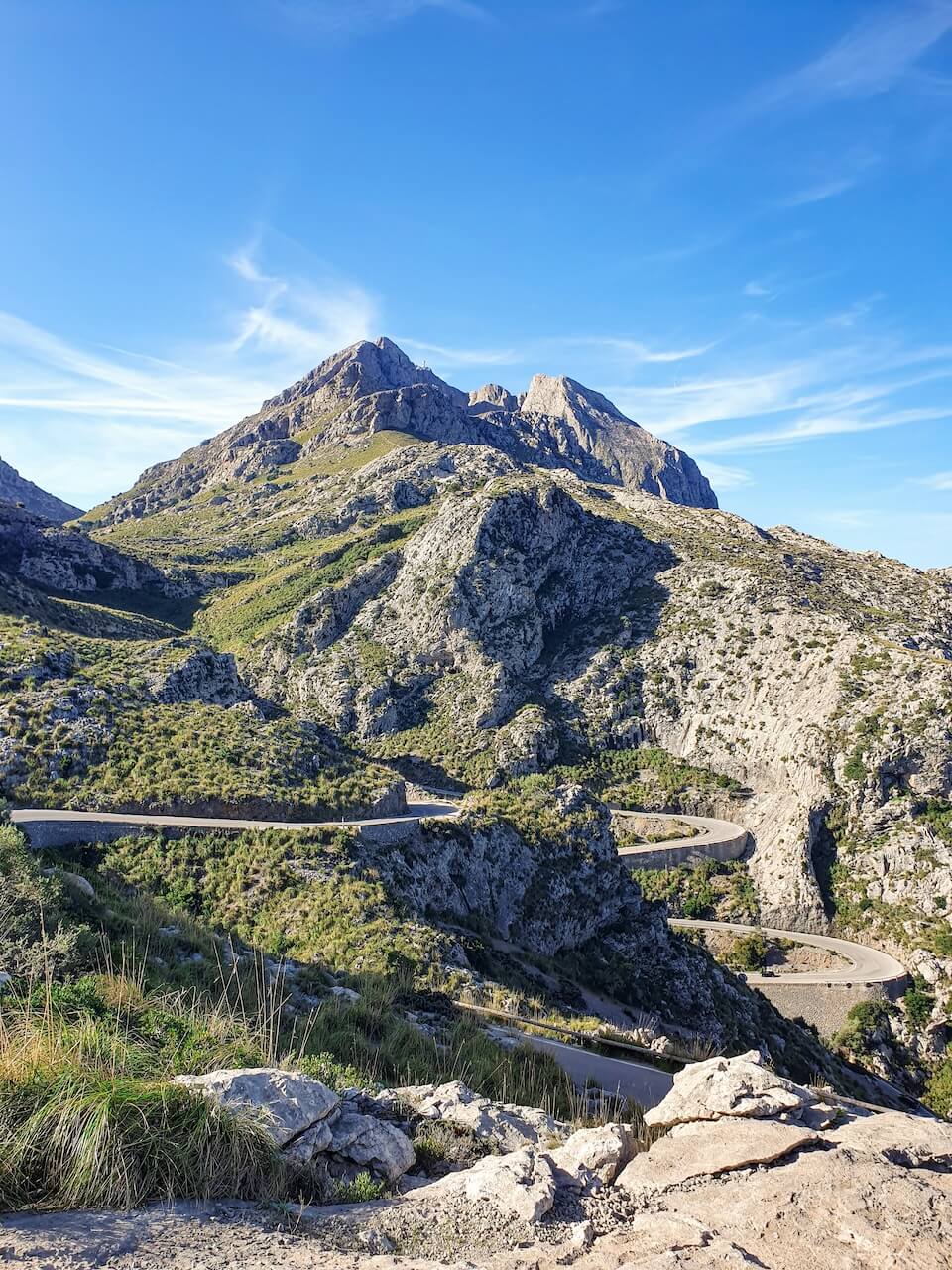
The Ma-2141 is one of the most photographed roads in Spain and for good reason, with its 12-kilometre descent to Sa Calobra dropping 800 metres over twenty-six spectacular hairpin bends. It’s narrow, busy in summer, and shared with cyclists and buses that occasionally require oncoming traffic to reverse.
Driving it is an experience. It’s not the most relaxed way to arrive with children in the back, and you may have to wait for a parking spot in the small paid lot at the bottom. It does give you full flexibility over timing though, and you can leave when the children have had enough.
The boat removes all of that and is part of the fun for the kids. The trade-off is the fixed timetable and the limited time on land, which suits most families well but doesn’t suit everyone. For most, the boat is still the smoother choice. The drive is worth doing separately, without time pressure, on a quiet morning in spring or autumn. Taking the boat one way and the bus back along the mountain road is also an option, though check the bus schedule in advance.
Practical Information
Facilities:
- Toilets: on board the ferry, cafes in Sa Calobra & seasonal cabin on path to beach
- Food & drink: small bar on the ferry stocks water, drinks, crisps and ice lollies. Three restaurants in Port Sa Calobra offer full service, sit down dining.
- Pushchairs: can be taken on the ferry but should fold easily. You won’t be able to explore the beach and gorge with a pushchair, bring a carrier instead.
Driving to Sa Calobra:
- Palma to Sa Calobra: around 1h30 (65km)
- Port de Sóller to Sa Calobra: around one hour (39km)
- There is one paid car park at the bottom of the road approx five mins walk to the port. It’s the only parking option
- In late spring and peak season, you may have to wait for a space.
Sailing to Sa Calobra with Barcos Azules
- Route: Port de Sóller to Sa Calobra (and return)
- Journey time: approximately one hour each way
- Booking: tickets can be booked online or at the harbour ticket office. Booking ahead is advised.
- 2026 sailings (always check the latest schedule with Barcos Azules, times are subject to change):
- 23 Feb – 31 Mar: Tuesdays, Thursdays & Saturdays. Departs Port de Sóller 11h20, returns from Sa Calobra 13h40. Thursdays only: special return from Cala Tuent at 16h, advance reservation required.
- 1 Apr – 31 Oct: Daily. Departs Port de Sóller 9h50, 11h20, 13h, 15h. Returns from Sa Calobra 13h40, 16h45.
- 1 – 22 Nov: Tuesdays & Saturdays. Departs Port de Sóller 11h20, returns from Sa Calobra 13h40.
What We’d Tell a Friend
Book an early sailing. Ideally time it so you have two to three hours on land, enough to explore the gorge, picnic, and get back to the port for a cold drink before departing.
Arrive 15 minutes (or more) early at the port. Seats are not allocated. If you’re a group, send someone to line up early to board first and pick your spot. Remind them to sit on the starboard side leaving Port de Sóller for the best mountain views.
Pack sun protection and a warm layer. The upper deck is partially open, hats that won’t blow off and sunscreen are non-negotiable for much of the year, and early season it gets chilly at sea. The lower deck is covered if you need it.
Travel light and bring a ready-to-eat picnic. Unless you have all day, there’s no point spending time in the restaurants. Head off exploring and escape the crowds. And remember to pack swim gear and water shoes for the pebbles.
Check the weather before heading to the port. Occasionally conditions mean the boat is cancelled.
Worth It with Young Children?
For ages four and up, yes. The boat trip, the tunnel walk, the gorge, and a good night’s sleep after.
For babies and toddlers: pushchairs can go on the ferry but should fold easily and will need to be carried for boarding and steps at the port. The path through the tunnels is flat and manageable, but the wide steps to the beach and gorge at Torrent de Pareis are not pushchair-friendly. A good carrier is a must if you plan to explore.
When to Go
April through June and September through October are the sweet spot. Frequent sailings, calmer seas, and none of the peak-season heat.
July and August work, but take the earliest sailing and plan time for a swim to cool off.
Getting There: Port de Sóller
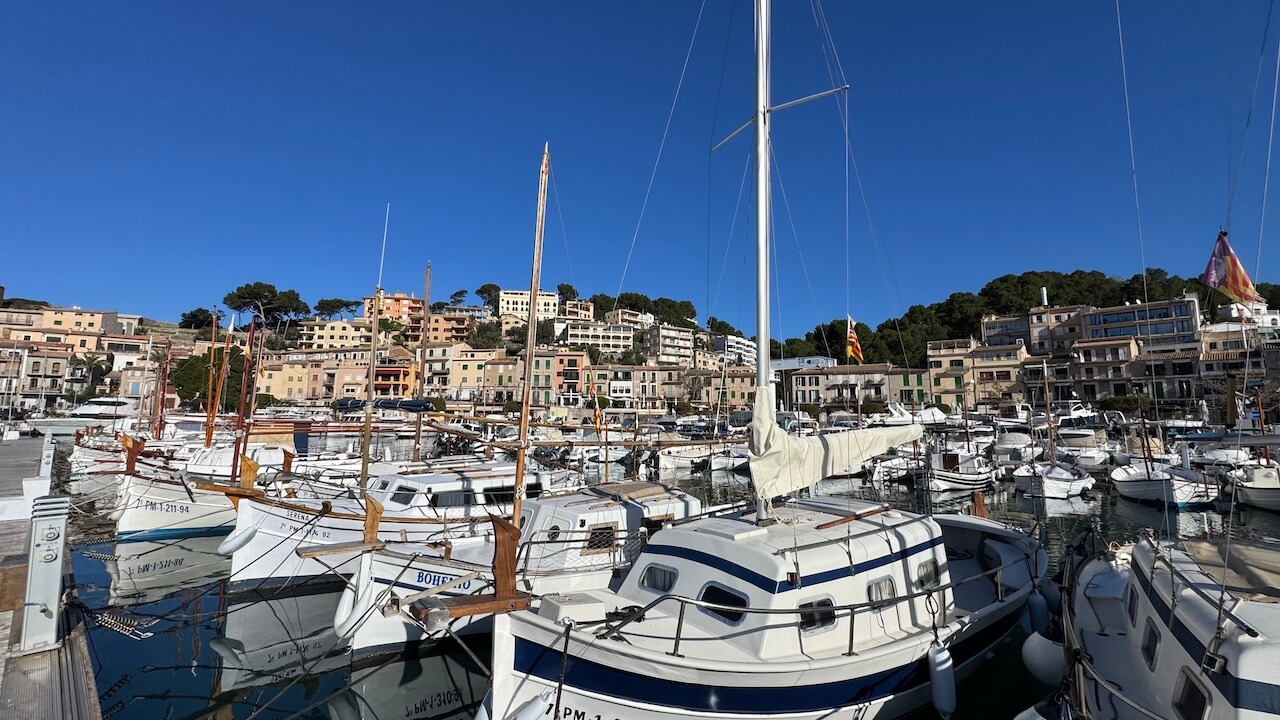
Port de Sóller is around 40 minutes from Palma by taxi, or reachable by TIB bus. The Barcos Azules ticket office and jetty are right on the harbour front. You cannot miss it.
Parking fills up early in July and August. Allow plenty of time to find a spot.
Combining It with a Stay in Port de Sóller
Port de Sóller is a great base for short or long stays. It is one of the most relaxed spots on the island for families: a good beach, a lovely seafront with plenty of places to eat, and enough to keep children busy without any effort. The Sa Calobra boat trip makes an easy half-day from here.
For more on the area, see our guide to Port de Sóller and the Sóller valley.
Barcos Azules also offer smaller group charters and trips to Cala Tuent, Sa Foradada and Cala Deià. To purchase tickets and for the latest timetable and prices, check their website or visit the ticket office on the harbour front.